
Modern windshields are no longer just glass barriers. They are part of a vehicle’s safety system. As cars become more advanced, windshield replacement increasingly requires camera calibration to ensure safety features continue working correctly.
For today’s vehicles, windshield camera calibration is not optional in many cases. It is a required step after replacement due to how deeply cameras and sensors are integrated into the glass structure.
Why Is Camera Calibration Needed After Windshield Replacement?
Windshield-mounted cameras must be precisely aligned to function correctly. Even a small shift during installation can impact safety system accuracy.
In simple terms:
- Cameras “see” the road through exact angles
- Windshield replacement disrupts that alignment
- Calibration restores factory-level accuracy
Modern vehicles use these systems for lane assist, collision warnings, and adaptive cruise control. Without calibration, these features may misinterpret road conditions.
How Has Vehicle Technology Changed Windshield Replacement?
Vehicle technology has significantly increased the complexity of auto glass work. What used to be a simple replacement is now a multi-step technical process.
Key changes include:
- ADAS (Advanced Driver Assistance Systems) integration
- Windshield-mounted forward-facing cameras
- Radar and sensor coordination with glass positioning
According to industry research from AAA and automotive safety groups, over 90% of new vehicles sold in North America now include at least one ADAS feature. This directly increases the need for auto glass calibration after windshield work.
What Happens During Windshield Camera Calibration?
Calibration ensures that all safety systems are aligned with manufacturer specifications after a windshield replacement in Burnaby.
There are two main types:
1. Static Calibration
- Performed in a controlled shop environment
- Uses targets and digital alignment tools
- Ideal for precise manufacturer settings
2. Dynamic Calibration
- Performed while driving the vehicle
- System adjusts using real road conditions
- Often combined with static calibration
Both methods ensure that the vehicle’s safety systems respond correctly to real-world driving conditions.
Why Is Calibration Becoming Standard Practice?
Calibration is now standard because vehicle systems depend on exact data. Without it, safety features may become unreliable or inactive.
Key reasons include:
- Increased ADAS adoption in modern vehicles
- Stricter manufacturer repair guidelines
- Higher safety expectations from drivers and insurers
Comparison:
- Older vehicles → glass replacement only
- Modern vehicles → glass replacement + calibration
This shift has transformed how auto glass services operate across the industry.
What Role Does Advanced Equipment Play In Calibration?
Calibration accuracy depends heavily on the technology used. Modern systems are designed to improve speed and precision while reducing human error.
At Bronco Glass, we use fully automated calibration systems that:
- Support almost all vehicle makes and models
- Deliver high-precision alignment results
- Reduce turnaround time compared to manual setups
This ensures that auto glass calibration is completed efficiently without compromising safety standards.
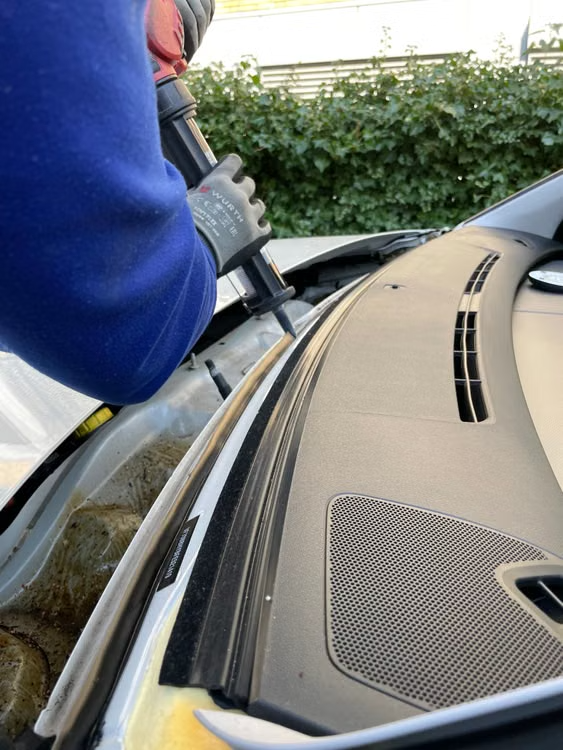
Keep Your Vehicle Safety Systems Working Correctly
Skipping calibration after windshield replacement can affect critical safety features. Proper alignment ensures that driver assistance systems function as intended in real-world conditions.
Windshield camera calibration is now a necessary step in maintaining modern vehicle safety, not just an optional service.
Precision Calibration You Can Trust
Bronco Glass provides professional windshield camera calibration and auto glass calibration in Burnaby as part of every advanced windshield replacement service. We ensure every vehicle receives accurate calibration so safety systems perform reliably across Burnaby, Vancouver, and the entire Lower Mainland. Get in touch now!